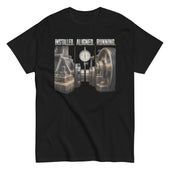
Choosing Graphic Shirts for Women Who Prefer a Relaxed Cut
KayWoot TeamFinding graphic shirts for women with a relaxed cut takes more than choosing a larger size. The goal is room through the bust, waist and sleeves without a neckline that slips, a hem that overwhelms your outfit or artwork that disappears into folds.
Start with the shape of a shirt you already enjoy wearing. Then compare garment measurements, fabric and construction details rather than relying on labels such as “relaxed” or “oversized.” This approach makes online shopping less of a guessing game.
Relaxed, oversized and boxy are different fits
A relaxed cut gives you breathing room without necessarily looking oversized. It usually has less shaping through the waist than a fitted tee, but the exact proportions depend on the garment.
These labels are useful starting points, not standardized measurements:
| Fit description | What to look for | What deserves a closer check |
|---|---|---|
| Fitted | A silhouette that follows the torso | Stretch and room through the bust |
| Regular | A conventional, moderately close shape | Whether the waist narrows |
| Relaxed | Extra room through the body | Sleeve width and overall length |
| Oversized | Deliberately exaggerated proportions | Dropped shoulders, long sleeves and added length |
| Boxy | A relatively wide, straight body | Whether the hem is cropped or full length |
A boxy shirt can be short, while an oversized one can be long. Neither automatically delivers the particular kind of looseness you want.
How to measure graphic shirts for women before ordering
The most useful reference is a tee that fits you well, preferably one you have already washed according to its care label. Lay it flat without stretching it and smooth out the wrinkles.
Record the measurements that explain why you like it:
- Chest width: Measure straight across the shirt from underarm to underarm.
- Body length: Measure from the high point of the shoulder beside the neckline to the hem, unless the seller specifies another method.
- Shoulder width: For a conventional set-in sleeve, measure between the shoulder seams across the back.
- Sleeve opening: Measure the opening flat to compare how closely it sits around your upper arm.
- Hem width: Measure across the bottom to see whether the body narrows, stays straight or widens.
Check whether the retailer’s chart describes body measurements or finished garment measurements. They are not interchangeable. A body chart helps select a size; a garment chart tells you the actual dimensions of the shirt.
For example, if your favorite tee measures 21 inches across the chest and another measures 22 inches using the same method, the second has approximately 2 inches more circumference. That does not guarantee a better fit, but it is more informative than comparing two size labels.
Find room where you actually need it
When comparing graphic shirts for women, identify the area where you want extra space before moving up a size. A tee can feel loose at the waist yet restrictive across the upper arms or bust.
Bust and waist
Look for fabric that falls from the bust instead of stretching tightly across it. Horizontal tension lines, pulling at the underarms or artwork that visibly stretches can signal insufficient room.
For a straighter silhouette, compare chest and hem widths. A shirt with a noticeably narrower hem may still hug your middle even when the chest measurement looks generous. Conversely, a wider hem may provide useful room through the hips.
Shoulders and sleeves
A dropped shoulder is an intentional design choice, not automatically evidence that the shirt is too big. Decide whether you like that lower seam and the longer-looking sleeve it creates.
If you prefer a neater shoulder line, seek a relaxed body with a more conventional shoulder position. Sizing up a fitted tee may add length without creating the sleeve shape you want.
Reach forward and bend your elbows when trying it on. The sleeve opening should not dig in, and the underarm should allow comfortable movement rather than pulling the whole shirt upward.
Choose length and fabric together
The most comfortable graphic shirts for women balance width with a hem length that works for the wearer. A roomy shirt that ends at your preferred waistband can feel easy and intentional; the same width with several extra inches of length may feel cumbersome.
If you plan to wear the shirt untucked, compare its length with a favorite pair of pants. For a partial tuck, check that there is enough fabric to stay put without creating a thick bundle at the waist.
Fabric changes how those dimensions look on the body. A firmer jersey can hold a boxier outline, while a fluid knit may fall closer to your shape even when its measurements are generous.
Cotton jersey can feel soft or structured depending on its weight and construction. Blends containing fibers such as rayon or modal often have more fluid drape, but the percentage and knit matter. Elastane adds stretch; it does not create the same silhouette as extra garment width.
If fabric weight is listed, use it as one clue rather than a quality score. A heavier shirt is not automatically softer, cooler or better suited to your preferred cut. Review photos and fabric descriptions together.
Check the artwork without sacrificing comfort
A loose silhouette affects how a design sits. A large print may fold near the underarms, while a small central graphic can appear lower on a shirt with added body length.
When shopping for graphic shirts for women, look for photographs of the actual garment as well as the design mockup. Customer images can help reveal drape and scale, though differences in height, size selection and camera angle limit direct comparisons.
For a closer look at artwork placement, KayWoot’s guide to choosing shirts with prints that sit where you want explains what to compare beyond the illustration itself.
Print durability cannot be confirmed from a polished product image alone. Check for care instructions, information about the printing method and reviews describing wear after washing. Different printing processes can produce different surface textures, so a thick or thin feel by itself does not establish quality.
Likewise, do not treat “vintage” as a durability claim. It may describe the artwork, an intentionally distressed print or the garment’s appearance. If responsible production matters to you, look for specific sourcing information and clearly identified certifications rather than assuming a soft feel or retro design proves anything about production practices.
Use a short try-on check at home
Try the shirt with the bra or base layer you expect to wear underneath and the bottoms you reach for most often. Keep the tags attached and follow the retailer’s return conditions while assessing it.
Stand normally, sit down, reach forward and lift your arms. Some hem movement is normal. What matters is whether the shirt settles back comfortably or requires repeated tugging.
Check the neckline from the front and side. If it slips farther than you like while the body feels right, a different cut may solve the problem more effectively than a smaller size.
Then look at the shirt untucked before styling it. A partial tuck can change the proportions, but it should be an option rather than a workaround for a length you dislike.
Keep the shirt because it feels good in motion, not just because it looks right in one pose. If you cannot find garment dimensions before ordering, check the return policy carefully and avoid assuming your usual letter size will fit the same way across brands.

Style a relaxed tee without removing its ease
A relaxed top does not require tight bottoms. It works with straight-leg jeans, wide-leg pants, shorts or skirts, provided the combination feels comfortable and the proportions suit your preferences.
For graphic shirts for women with a longer hem, try a small front tuck if you want more waistband definition. Leave a shorter boxy tee untucked when you prefer a clean outline. Neither approach requires cinching the shirt closely around your waist.
An open cardigan, overshirt or jacket can add another layer without hiding the whole graphic. Check the layer’s armholes and sleeves: a close-fitting jacket may bunch over the roomy sleeves you deliberately chose.
Match the outfit to the occasion
For errands, travel or a casual lunch, let the design provide the personality and keep the rest of the outfit straightforward. A favorite joke or hobby graphic does not need competing accessories to make sense.
A relaxed tee can also work for wedding-weekend downtime or a casual bridal brunch, where the dress code allows it. Keep that purchase separate from choosing bridal dresses, jumpsuits and pantsuits at Le Michel Bruidsmode, which serve a different occasion and have different fit requirements. For hair-and-makeup preparation, a button-front garment may be more practical than pulling a crewneck over a finished hairstyle.
Preserve the fit you chose
Care affects both the silhouette and the artwork. Before the first wash, check the garment label and any separate print-care instructions. Do not assume every cotton shirt or printed tee needs the same treatment.
To help graphic shirts for women retain their intended fit, avoid using a hot wash or high dryer setting as an improvised resizing method. Shrinkage may be uneven, and heat can affect the decoration as well as the fabric.
Where the instructions permit, washing inside out and limiting friction can help reduce wear on the printed surface. Follow the stated drying method and avoid ironing directly over the design unless the manufacturer explicitly allows it.
Take a moment to note how the shirt fits after laundering. That washed measurement becomes a useful reference for your next purchase, particularly if you discover that a certain length, sleeve opening or chest width consistently works well for you.
Frequently asked questions
Should I size up for a relaxed fit? Only if the measurements support it. Going up a size can add unwanted length or enlarge the neckline without providing the sleeve shape you want. Start with a relaxed pattern and compare dimensions with a tee you already like.
Are unisex tees a good option? They can be, especially if you prefer a straighter body. However, unisex does not automatically mean relaxed. Check shoulder width, body length and sleeve proportions rather than treating the label as a fit guarantee.
What should petite shoppers check first? Body length and sleeve length deserve particular attention because extra fabric can change the proportions quickly. Shorter graphic shirts for women may offer the room you want without requiring a long hem, but verify actual measurements rather than relying on a cropped label.
Which fabric is best for a loose tee? Choose according to the silhouette and feel you prefer. A more structured jersey can hold its shape away from the body, while a fluid knit tends to drape closer. Fiber content alone cannot tell you exactly how either will behave.
Choose the fit, then the personality
Before ordering, confirm the garment measurements, fabric details, care requirements and return conditions. Those checks matter more than whether the listing calls a shirt relaxed, boyfriend or oversized.
Once you know your preferred proportions, explore KayWoot’s graphic tees and personality-driven designs for a message that feels like you. KayWoot offers free shipping on US orders, so you can focus on choosing the design and checking the individual product details.